What this edition puts on the table
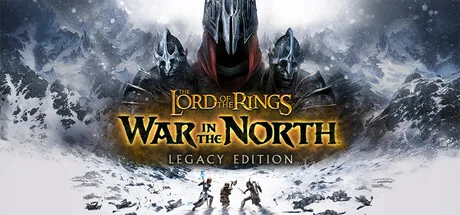
The current store identity is specific. The title is The Lord of the Rings: War in the North™ - Legacy Edition, the date is 11 August 2026, the listed developer and publisher are Aspyr Media, and the captured platform line names Windows and PlayStation 5. Those details are useful whenever a search result or an old guide uses only War in the North. The register keeps the current Steam product as the primary player-facing starting point and marks the 2011 PC edition as historical.
The game is presented as an Action/RPG with three playable heroes. Eradan is recorded as a Ranger, Andriel as an Elf, and Farin as a Dwarf. That roster is the stable spine of the fellowship pages: the three names are not interchangeable builds, and the comparison on the Fellowship route only claims fields the bound record actually supplies. The northern journey therefore starts with identity and edition, then moves into the choices that a player can act on.
The campaign record contains six observed guide chapters and a final chapter record numbered eight. Chapter seven is not manufactured to make the sequence look tidy. The campaign page keeps that missing boundary visible and links the observed guide routes as navigation evidence. This is especially important when a chapter list from a third-party guide is used alongside official video descriptions that name Bree, Rivendell, the Misty Mountains, Mirkwood, Gundabad and Carn Dûm. The page distinguishes a source’s navigation from a publisher’s complete canonical table.
Seven fronts, one campaign boundary
The warfront ledger names Bree, Rivendell, the Misty Mountains, Mirkwood, Gundabad, Carn Dûm and Fornost. Read those locations as independent lookup records rather than as a promise that the evidence supplies a complete travel order. The official Touchpoints description supplies the first six place names, while the location record binds all seven entries to the captured research boundary. Fornost has its own detail page because it is the planned concrete location route; the other six remain in the campaign and warfront tables.
A useful first pass is to read the starting path, check the Fellowship roster, and only then use the systems guide for combat and loot vocabulary. That order avoids mixing current-store facts with old manual terminology before the edition boundary is clear. The page also exposes the official Fellowship video and Touchpoints video behind click-to-load controls, so the first viewport remains useful on a phone while the player can still reach the visual sources.
The register is intentionally compact in the rail and expansive in the reading field. A player can search route names, hero names, foe names and achievement names from the top bar. Searching Relentless lands on the achievement ledger, while Fellowship remains a direct route. The result list is a navigation aid, not a second content database: the records below remain the place to read the objective, source link, capture time and version distinction.
A practical reading order
Start with the versioned path if you are arriving from a search result. It lays out the current Legacy Edition, the historical 2011 PC record, and the three-step route from edition check to hero choice to first system read. Continue to the Fellowship page for the three selectable heroes, and use the local checklist to hold a short list without creating an account. The checklist stores stable hero IDs in the browser and is deliberately a player tool rather than a claim about optimal builds.
Move to Combat and Loot when you need to translate manual vocabulary into a session plan. Its sections cover the three cooperative hero roles, Sanctuary and War Cry terminology, Evasion, elfstones, loot decisions and the original-manual boundary. The guide avoids pretending that a captured number is a universal balance rule. Where the source only gives a named mechanic or a historical phrase, the text tells you how to use that phrase as an orientation point.
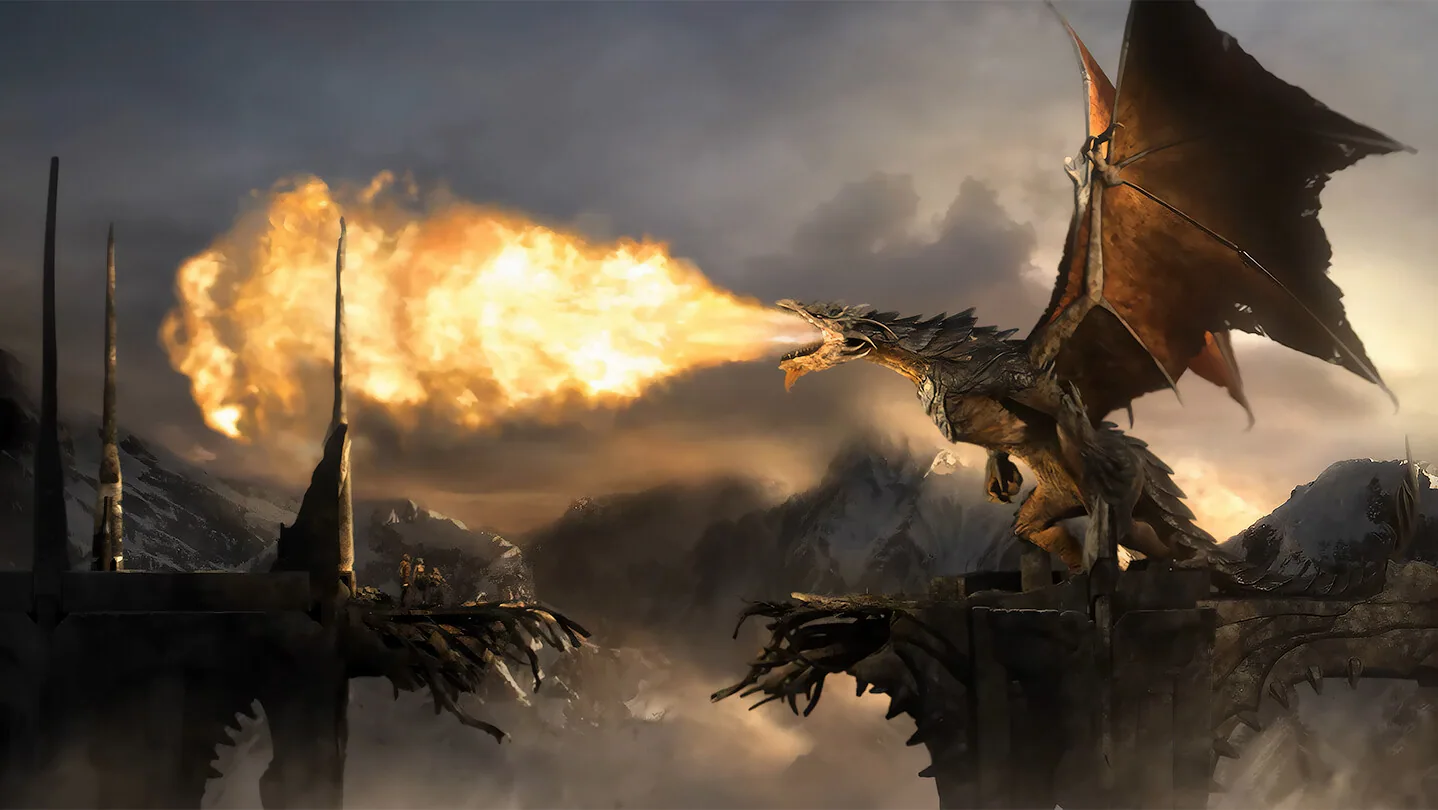
Use the records pages for exact lookup. The Foes and Bosses table contains Agandaûr, Wargs, Barrow-wights, Fell Beasts, Creatures of Shadow, Spiders, Orcs and Trolls. The achievements page renders all 46 current records as icon-backed rows, with a text search and filters for objectives. Editions and Platforms keeps the two dated records side by side. Together, those tables make the register useful after the first play session, when a player needs a name, a target or a version note rather than another broad synopsis.